
Description
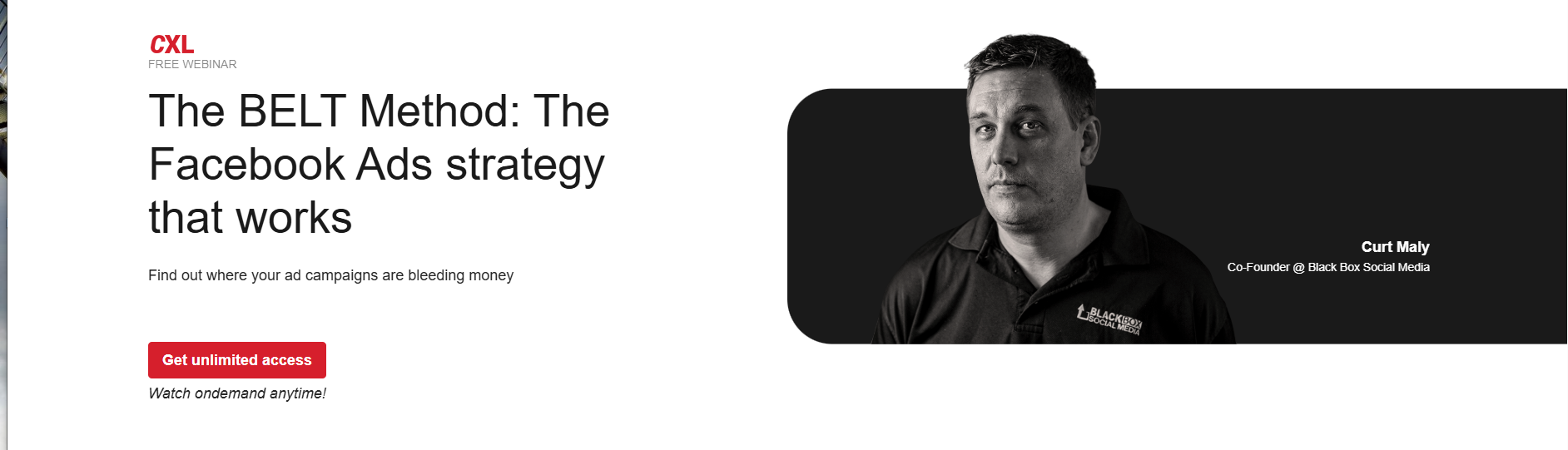
Curt Maly – BELT Method Paid Ad Strategies: Core Modules, Pros, Cons, and Whether It Is Worth Your Investment
Navigating the landscape of paid media relies heavily on dynamic strategic execution. Algorithms shift constantly, ad costs fluctuate, and cold audience targeting often yields diminishing returns when utilizing outdated direct-response tactics.
Curt Maly’s framework, the BELT Method, offers a structured alternative to standard digital ad funnels. Designed specifically to warm up traffic, build long-term brand equity, and lower acquisition costs, this system restructures how advertisers run Facebook and Meta campaigns.
This review covers the core modules, weighs the pros and cons, and evaluates whether the investment aligns with your marketing goals.
What Is the BELT Method?
The BELT Method is a media buying framework engineered by veteran marketer Curt Maly. Unlike conventional marketing funnels that push immediate hard sales to cold audiences, the BELT approach relies on intentional customer indoctrination.
The acronym stands for the four foundational stages of the methodology:
-
Belief
-
Engage
-
Lead
-
Transact
By cycling prospects through distinct video content assets and targeted touchpoints, advertisers build authority and emotional resonance before requesting a conversion. The outcome is a self-sustaining ecosystem that reduces reliance on cold lookalike audiences while optimizing overall cost-per-acquisition (CPA).
Comprehensive Module Breakdown
The curriculum is designed to take media buyers from foundational theory to technical execution. Below is an itemized breakdown of the primary learning tracks within the system.
Stage 1: Belief (Top of Funnel – TOFU)
The Belief stage focuses on establishing brand awareness, authority, and problem recognition. Instead of pitching a product, ads in this stage focus on shift-of-mindset content.
-
Primary Objective: Build audience awareness around the specific problem your brand solves.
-
Content Assets: Short-form micro-videos (1–3 minutes), thought leadership, and high-level educational content.
-
Ad Campaign Types: Reach, Video Views, and Brand Awareness objectives.
Stage 2: Engage (Middle of Funnel – MOFU)
Once a prospect interacts with a Belief ad, they transition into the Engage pool. This phase nurtures the audience by diving deeper into solutions, establishing trust, and demonstrating unique positioning.
-
Primary Objective: Help prospects evaluate why your specific offering provides the optimal solution.
-
Content Assets: Case studies, client testimonials, long-form video breakdowns, social proof, and entertaining educational content (“edutainment”).
-
Ad Campaign Types: Engagement, Video Views, and Traffic campaigns targeted at retargeting custom audiences.
Stage 3: Lead (Middle to Bottom of Funnel – MOFU/BOFU)
The Lead phase turns engaged viewers into tangible prospects. With brand trust established, this stage introduces low-friction offers that capture contact information.
-
Primary Objective: Prompt the prospect to take a concrete step forward in exchange for value.
-
Content Assets: Lead magnets, free trials, webinar registrations, downloadable resources, or mini-demo videos.
-
Ad Campaign Types: Lead Generation, Custom Conversions, and Landing Page View campaigns.
Stage 4: Transact (Bottom of Funnel – BOFU)
The final stage, Transact, focuses on converting warm, pre-educated leads into customers. Because earlier stages handle objection clearing, Transact campaigns require less aggressive sales language.
-
Primary Objective: Secure transactions, sales, or high-ticket calls.
-
Content Assets: Direct sales pitches, limited-time bonuses, discount codes, checkout abandon retargeting, and explicit calls to action.
-
Ad Campaign Types: Conversions, Sales, and Catalog Sales.
Technical Setup & Campaign Architecture
Beyond high-level funnel strategy, the course covers the mechanics of setting up backend campaign structures:
-
Bottom-Up Funnel Assembly: The training emphasizes building Transact and Lead campaigns before launching Belief campaigns. This ensures retargeting infrastructure is active before driving cold traffic.
-
Custom Audience Segmentation: Video view custom audiences (e.g., 25%, 50%, and 75% video view durations) move prospects seamlessly through stages without manual intervention.
-
Ad Account Protection & Relevancy: Operating focused micro-campaigns with high engagement rates lowers overall CPMs while keeping ad accounts compliant and healthy.
Weighing the Strengths & Limitations
| Pros | Cons |
| Lower Cost-Per-Click (CPC): Inexpensive Video View ads populate top-of-funnel retargeting pools efficiently. | Content Heavy: Requires producing multiple video creative assets across all four funnel stages. |
| Higher Buyer Trust: Prospects consume multiple content touchpoints prior to encountering sales pitches. | Slower Initial ROI: Delayed gratification compared to direct-response “cold pitch” approaches. |
| Ad Account Longevity: High customer satisfaction signals and low complaint rates protect ad account standing. | Technical Execution: Retargeting setups require structured custom audience sequencing. |
| Scalable Infrastructure: Works across diverse niches including B2B, e-commerce, info-products, and local services. | Budget Requirements: Spreading ad spend across four active tiers requires ongoing budget allocation. |
Who Is This Course Ideal For?
The strategy is best suited for:
-
Experienced Media Buyers: Marketers looking for structured retargeting models beyond basic pixel tracking.
-
Brand Owners & Agencies: Businesses seeking sustainable ad strategies that build authority rather than relying on short-term promo spikes.
-
High-Ticket Service Providers & B2B: Offerings that require high trust and multi-step consideration before purchase.
Conversely, it may not be ideal for:
-
Marketers seeking rapid, single-ad “get rich quick” direct-to-checkout templates.
-
Businesses unable or unwilling to produce organic-style video content.
Verdict: Is It Worth Your Investment?
Curt Maly’s framework offers a structured alternative to volatile direct-response tactics. By utilizing cheap video engagement metrics at the top of the funnel to fuel warm conversion campaigns at the bottom, the methodology addresses escalating ad costs directly.
For marketers, agency owners, and brands with the bandwidth to produce regular video content, implementing the system provides a predictable, high-ROAS campaign architecture built for long-term scalability.


Reviews
There are no reviews yet.